Posts

Showing posts with the label posture

How can Pelvic Health Physio benefit your Pregnancy?
Image
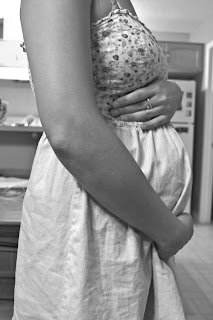
The female body is pretty amazing to be able to carry a baby for nine months, deliver a child through a usually very narrow space and then return back to its previous state. This is what the muscles and tissues are specifically designed to do. Having said that, pregnancy and childbirth is often one of the most physically challenging events we can ask of our bodies. It is no wonder then, that the pelvic floor muscles require some specific training and preparation leading up to delivery, as well as rehabilitation post-natally to return to their optimal function.  The following diagrams show the muscles of the pelvic floor and also gives you an idea of how much these muscles need to stretch to allow for a baby's head to pass through.  Female Pelvic Floor Muscles   Pelvic Floor Muscles when baby's head is crowning during a vaginal delivery I see a lot of women pre and post-natal for pelvic floor problems and prevention. Here are some areas that Pelvic Hea...

How pregnancy can affect your body

Image
When you think of pelvic floor issues, pregnancy and having babies usually comes to mind. Good news, it is possible to optimise your post-natal pelvic health before and while you are pregnant to prevent future problems! The last thing I want to do is to frighten anyone about the negative things that can happen with pregnancy and giving birth. I think pregnancy is a beautiful experience and I am personally excited about that one day when I might be lucky enough to have my own children. However, I do feel very strongly about the importance of knowing about these conditions in advance for prevention purposes! Please take the time to educate yourself and get to know your body in order to optimise your delivery and post-natal function.  Carrying a baby inside your tummy and (practically on top of) your pelvic floor for 9 months can put these muscles under significant stress, regardless of the type of delivery that you have. This alone can cause weakness and spasm of the musc...

Start making positive changes! 5 ways to get more movement into your day.

Image
So in a previous post we looked at things you can change to help decrease your risk of pelvic floor dysfunction. Here are a few achievable ways to get more movement into your day! 1. Pomodoro Technique Now, I know a lot of people have jobs that require them to be sitting for 8 or more hours a day, obviously not ideal for the human body. Recently I was introduced to the Pomodoro technique by a friend (Pomodoro meaning tomato in Italian). It is based on the idea that frequent breaks during your work day, a 3-5 minute break every 25 minutes, can help improve productivity and efficiency. I love this idea, not only because it gives your brain a rest, but also your body. You can also use this time to give your muscles a break. Stand up, stretch and wake up all your postural muscles, including your pelvic floor! Check it out!  2. Change up your work space If possible, see if you arrange your work set up to be standing instead of sitting (or alternate between the two).  Another ...

Everyday things that put your pelvic floor at risk

Image
In physio we talk a lot about modifiable and non-modifiable risk factors. In pelvic health terms, the non-modifiable factors or things that you cannot change include:  Gender - Females tend to be more at risk than Males Genetics - There does seem to be a genetic disposition for conditions such as prolapse (thought to be due to composition of connective tissue within the body) Age - unfortunately the risk increases as we get older, particularly after menopause and our estrogen levels decrease  However, the good news is that there are a lot of things that you can change! Starting right now.  This is how I used to sit, e specially as a student! Improve your alignment while  sitting and standing  Decrease total sitting time during the day Switch out your positive-heeled shoes for flats/barefoot/negative heeled shoes  Avoid any breath holding when lifting or doing any heavy work Decrease and manage straining on the toilet / consti...