Posts

Showing posts with the label women's health

Post-Natal Pelvic Care and Return to Exercise

Image
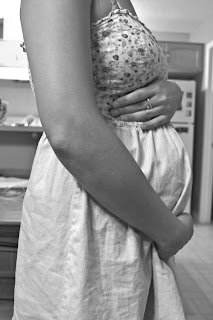
Congratulations on your new baby and welcome to a whole new world that revolves around that one tiny bundle of joy! In the wonderful mayhem of new motherhood, it can be easy to forget about you  and the amazing feat that your body recently performed.  In the interest of your immediate and longterm pelvic health, here are some helpful tips for after you've had your baby: Early Post-Natal 0 - 10 days Rest and get sleep when your baby does! Cooling ice to perineum can help with healing and discomfort. This should be used with layer of cloth between skin and cold for a maximum of 10-12mins on and at least 20mins off before re-applying. (You can also use a wet pad that has been put in the fridge/freezer). Gentle  pelvic floor contractions can help decrease perineal swelling. These do not have to be super-strong and are safe to do even if you have stitches. Even if you don’t initially feel the contraction, still try to visualise the muscles working. Ensure yo...

Travelling Pelvic Floors

Image
I love travelling and feel very fortunate to have the opportunity to do so. However, one of the downsides about moving to the other side of the world is that you do spend a lot of time in transit just to get home for a visit. Over the last month and a bit, I have done a ridiculous amount of flying (for educational courses, home visits and fun), spending about 45hrs in the air (between Calgary, Vancouver, Seattle, Los Angeles, Brisbane, Sydney, Dallas and Austin) and a whole bunch more time in and around airports, taxis, buses and trains. All of this added up to a very sore tail bone and tight pelvic floor muscles and a lot of time to think about how travelling can affect your pelvic health.  Here are some of my travel-related observations to keep in mind that you can also apply to your everyday life! Sitting The most obvious downside to travelling is the looong amounts of time spent sitting and particularly the way that you sit. I have a tendency to curl up in my sea...

Pelvic Organ Prolapse: Part 2

Image
See Pelvic Organ Prolapse: Part 1 for information on what a prolapse is and some of the causing factors.  What can be done about it? !!Prevention!!:  As the support of the muscles underneath the pelvic organs decreases, the strain on the ligaments holding them increases and they eventually stretch beyond the point of no return. Ensuring good body alignment and m aintaining pelvic health and function of the muscles is key at any stage of life, but essential  during your pregnancy and leading up to delivery. Restoring optimal function of the core abdominal muscles and learning how to properly relax the pelvic floor muscles for bowel movements can help to decrease the overall pushing and strain required. Preparing your body for pregnancy to increase the space in the pelvic outlet (obstetrical conjugate) and yield of the pelvic floor muscles can help to decrease the amount of force required to get the baby out ( read less Valsava-ing ), as well as prevent perineal tea...

Pelvic Organ Prolapse: Part 1

Image
The risk of Pelvic Organ Prolapse can increase with pregnancy and vaginal delivery, however may occur even without any pregnancies and can even happen to men! What is it?  'Prolapse' comes from the latin word prolabi which means "to fall out". Pelvic Organ Prolapse (POP) involves the descent of the pelvic organs; the bladder, bowel or uterus, into the vaginal space.  The degree of prolapse is measured on a scale of 0-4, determined by how much the organs have moved toward the opening of the vagina or if they are protruding outside the body. This may be observed by your family doctor, OB/GYN, birth professional or pelvic health physiotherapist by asking you to cough or hold your breath and bear down for 8 seconds to determine the extent of the prolapse.  The female pelvic anatomy (larger pelvic outlet and open space of the vagina) combined with our upright posture makes women particularly vulnerable to this condition. However, men can also experience similar ...

How can Pelvic Health Physio benefit your Pregnancy?

Image
The female body is pretty amazing to be able to carry a baby for nine months, deliver a child through a usually very narrow space and then return back to its previous state. This is what the muscles and tissues are specifically designed to do. Having said that, pregnancy and childbirth is often one of the most physically challenging events we can ask of our bodies. It is no wonder then, that the pelvic floor muscles require some specific training and preparation leading up to delivery, as well as rehabilitation post-natally to return to their optimal function.  The following diagrams show the muscles of the pelvic floor and also gives you an idea of how much these muscles need to stretch to allow for a baby's head to pass through.  Female Pelvic Floor Muscles   Pelvic Floor Muscles when baby's head is crowning during a vaginal delivery I see a lot of women pre and post-natal for pelvic floor problems and prevention. Here are some areas that Pelvic Hea...

Anatomy: Pelvic Floor Muscles

Image
This diagram depicts the numerous muscles of the pelvic floor. I drew it myself. A lot of pelvic health problems arise because, just like any other muscle in the body, they can become weak or tight and even have painful trigger points and areas of spasm.  This view is of a person lying on their back and looking from the feet up. All of the coloured parts are different muscles and they all work very closely together. As you can see, the muscles around the anus are a lot bigger than the ones at the front which is one reason that urinary incontinence is so common.  These muscles attach to all sides of the pelvis, therefore contributing to the stability of the joints, SIJ included. If a person has increased laxity in any of the pelvic joints, this can cause the muscles to work overtime and subsequently become tight/spasmed, creating more pain. They also attach to the coccyx and can cause tailbone pain (coccydynia) if the muscles are very tight and constantly pulling on the joi...

Anatomy: Vulva

Image
Get to know your own body!  I drew you a picture! This diagram shows the external anatomy of the female genitalia.  The  mons pubis  or pubic mound provides cushioning over the pubic bone during intercourse The  Clitoral glans  is the only external part of the clitoris. Most of this organ is underneath the surface and much larger than you realise. It is also the only organ in the female or male body that is purely dedicated to sexual pleasure. Yay for us! The  Urethral opening  is the opening for urine to empty from the bladder The  Labia Majora  are the external (outer) lips of the vulva The  Labia Minora  are the inner and smaller flaps and look very different for every woman The  Vestibule  is the area within the inner lips of the labia minora but outside of the vagina The  Introitus  is the opening of the vagina The  Vagina  cannot be seen from the outside, this refers to...

Vulvar Skin Care

Image
The main point when it comes to vulvar skin care applies to the rest of your body and your life too: Chemical free is best ! ( For more ways on how to make your life chemical free, check out this awesome blog by the gals at  BaoBag ! ) Clothing and Laundry Wear all-white cotton underwear Remove wet bathing suits and exercise clothing as soon as possible Avoid scented or harsh laundry detergents and using fabric softener on undergarments Hygeine Use soft, white, unscented toilet paper Avoid getting shampoo on the vulvar area Do not use bubble bath, feminine hygeine products, perfumed creams or soaps Wash vulva with cool to lukewarm water only Do not douche or flush the vagina with water or any other liquids (generally makes things worse rather than better) Use only unscented menstrual products and 100% cotton if possible. Another alternative is a menstrual cup (eg. Diva cup) which also helps to reduce waste and save the environment. Prevent constipation and stra...

Vulvodynia: The stinging-burning-raw sex pain

Image
Vulvodynia , p reviously known as Vulvar Vestibulitis Syndrome,  is a condition of pain in the vulvar area and can present differently for every woman. It is often characterised by stinging, burning, irritation, rawness and pain with sex and can vary in severity.  Vulvodynia has long been misunderstood until quite recently with research only emerging over the last 25 years. Finally, there are now some answers for women who have been suffering with this pain for many years, having seen numerous doctors and specialists and trialled many different treatments and medications without success.  Yes it can happen in the absence of infection, virus or any visible symptoms. NO it is not 'just in your head'! Firstly, a quick anatomy and latin lesson: The vulva  is the external female genitalia and comprises of the labia and clitoris. The vestibule is the area within the labia minora and includes the introitus or opening of the vagina. The vagina is the intern...

Let's talk about Sex - Dyspareunia

Image
Intimacy can be a big part of a woman's relationship and identity. When sexual pain gets in the way, it can begin to affect the connection you have with your partner, your femininity, sexuality and confidence.  Seems like an unusual topic for a physio to be involved in, however sexual pain and dysfunction makes up around 40% of my current caseload! At a recent group meeting with other Pelvic Health Physiotherapists, a number of them expressed that in another life/different career they would probably be sex therapists. And now I can see why. It is a incredibly rewarding area to treat as you see the results and each individual's confidence grow.  While it is an area not often talked about between women of previous generations, there is now a lot more research emerging about female sexual pain and I'm pretty excited to be spreading the word about this growing field. There are now a lot of helpful books and resources available that have been published in the last ten...

Urge Urinary Incontinence and Overactive Bladder

Image
Urge and Stress Incontinence are quite different although they can often occur together. What is it? Urge Incontinence is a symptom of Overactive Bladder (OAB) which is the overly frequent contractions of the detrusor muscle which forms the muscular wall of the bladder. This occurs even when the bladder is not full and can be in response to certain triggers, for example warm water, getting home from an outing (key-in-the-door syndrome), and different foods.  It can also make you feel like you need to go to the washroom every 20 minutes but when you do, there's not a whole lot to empty.  OAB does not always cause leaking, however it can lead to urge incontinence if you are unable to make it to the washroom on time. Particularly if you do not have adequate pelvic floor muscle strength.  While it sounds annoying at the most, it can have a significant impact on your lifestyle as you are constantly worried about where the closest bathroom is. When it becomes more s...