Posts

Pelvic Floor Muscles and Pregnancy
Image
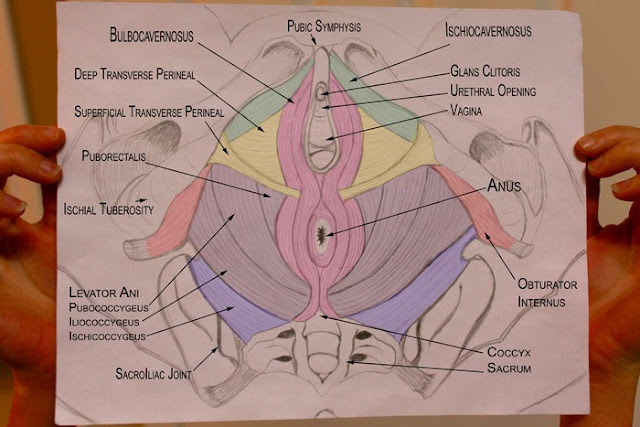
The muscles of the pelvic floor are pretty amazing. They have many different roles including bladder and bowel control, supporting the pelvic organs, sexual function and core stability. During pregnancy and childbirth, these muscles take on the additional task of supporting the weight of your baby and then allowing the baby to pass through for delivery. These diagrams depict the pelvic floor muscles as they are normally and then during childbirth.  Pelvic Floor Muscles at rest Pelvic Floor Muscles when the baby is crowning Remember that this is what your body and these muscles are made to do. However, perineal tearing (tearing of the skin and muscles between the vagina and the anus) is unfortunately quite common and can occur when the muscles are not able to yield appropriately. This can lead to bladder and bowel incontinence and numerous other conditions related to pelvic floor dysfunction. For the muscles to undergo this amount of stretch and decrea...

Yoga and Pelvic Health

Image
Erin, Leah and myself working hard at the clinic This week I went to a yoga class for the first time in a long while. It was awesome! And very challenging.  In Grade 9 or 10 at school, I was getting disheartened by being one of the slower swimmers in my training squad. I told my Dad I didn't want to go anymore because I was the slowest and he said 'Well how are you going to get any better if you don't go'. I figured this made pretty good sense, so I kept at it, set some PBs, and his words have stuck with me ever since.  So for those who say they 'just aren't flexible' and 'never have been', how are you going to get any more flexible if you never do anything about it. Yoga isn't about being better than any one else in the class. It is simply a guided practice that you do for yourself. Pelvic floor dysfunction is often related to the lack of pelvic movement in our daily repertoire of positions (sitting in chairs, standing, walking a...

Coccydynia = A Pain in the Bum

Image
(The primary cause of my tailbone pain) Coccydynia is the fancy term for a sore tailbone. It can be caused by several different things but is often prolonged by pelvic floor muscle dysfunction. What is it? Coccydynia is essentially pain in the tailbone ( Coccyx = Tailbone, Dynia = Pain ) This can present as an achy/dull pain or sometimes more intense/sharp pain particularly with movement (eg. rising from sitting) or sitting for a long time. What causes it? Tailbone pain or coccydynia can be caused by a direct injury to the tailbone, however, t his does not necessarily mean that there is a fracture or dislocation of the bone or joint. Some related causes can include: Direct impact or a fall directly onto the tailbone, eg. while snowboarding or from a height Damage to the tailbone during childbirth (vaginal delivery)  Strain of the pelvic floor muscles from pregnancy Prolonged sitting with your weight on your sacrum and tailbone eg. flights/long car rides  (see...

Travelling Pelvic Floors

Image
I love travelling and feel very fortunate to have the opportunity to do so. However, one of the downsides about moving to the other side of the world is that you do spend a lot of time in transit just to get home for a visit. Over the last month and a bit, I have done a ridiculous amount of flying (for educational courses, home visits and fun), spending about 45hrs in the air (between Calgary, Vancouver, Seattle, Los Angeles, Brisbane, Sydney, Dallas and Austin) and a whole bunch more time in and around airports, taxis, buses and trains. All of this added up to a very sore tail bone and tight pelvic floor muscles and a lot of time to think about how travelling can affect your pelvic health.  Here are some of my travel-related observations to keep in mind that you can also apply to your everyday life! Sitting The most obvious downside to travelling is the looong amounts of time spent sitting and particularly the way that you sit. I have a tendency to curl up in my sea...

You should read this book! Alignment Matters

Image
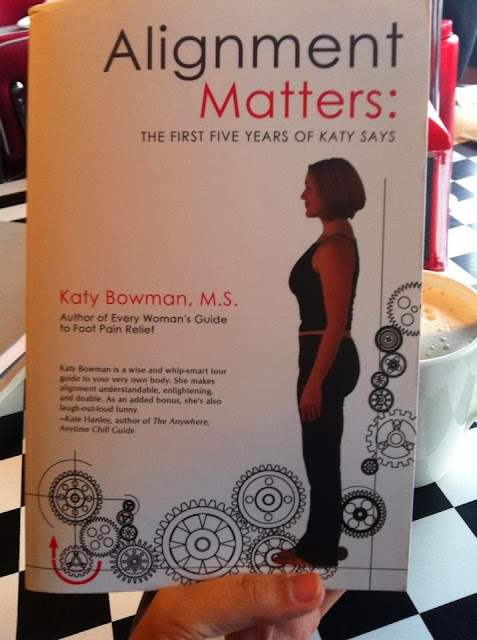
Today's post is slightly different to most of the others. I've never written a book review before (outside of primary school), however I just had to share this particular one with you. Recently I was lucky enough to get my own copy of... Alignment Matters by Katy Bowman! My first impression was: Oh my gosh this woman is smart! If you've never heard of her, Katy Bowman is a biomechanist from the USA and teaches thousands of people easy ways to look after their body and keep it functioning the way that it should. I love this book from a Physio perspective as there is a huge focus on prevention of injury and maintaing (or gaining) whole body wellness. The information throughout the book is very well researched but also easy to read for people with lots or little health education. The book is a collection of the first five years of her blog, organised into relevant categories and body parts with each gem of knowledge presented in short chapters. Great if you don...

Pelvic Organ Prolapse: Part 2

Image
See Pelvic Organ Prolapse: Part 1 for information on what a prolapse is and some of the causing factors.  What can be done about it? !!Prevention!!:  As the support of the muscles underneath the pelvic organs decreases, the strain on the ligaments holding them increases and they eventually stretch beyond the point of no return. Ensuring good body alignment and m aintaining pelvic health and function of the muscles is key at any stage of life, but essential  during your pregnancy and leading up to delivery. Restoring optimal function of the core abdominal muscles and learning how to properly relax the pelvic floor muscles for bowel movements can help to decrease the overall pushing and strain required. Preparing your body for pregnancy to increase the space in the pelvic outlet (obstetrical conjugate) and yield of the pelvic floor muscles can help to decrease the amount of force required to get the baby out ( read less Valsava-ing ), as well as prevent perineal tea...

Pelvic Organ Prolapse: Part 1

Image
The risk of Pelvic Organ Prolapse can increase with pregnancy and vaginal delivery, however may occur even without any pregnancies and can even happen to men! What is it?  'Prolapse' comes from the latin word prolabi which means "to fall out". Pelvic Organ Prolapse (POP) involves the descent of the pelvic organs; the bladder, bowel or uterus, into the vaginal space.  The degree of prolapse is measured on a scale of 0-4, determined by how much the organs have moved toward the opening of the vagina or if they are protruding outside the body. This may be observed by your family doctor, OB/GYN, birth professional or pelvic health physiotherapist by asking you to cough or hold your breath and bear down for 8 seconds to determine the extent of the prolapse.  The female pelvic anatomy (larger pelvic outlet and open space of the vagina) combined with our upright posture makes women particularly vulnerable to this condition. However, men can also experience similar ...